


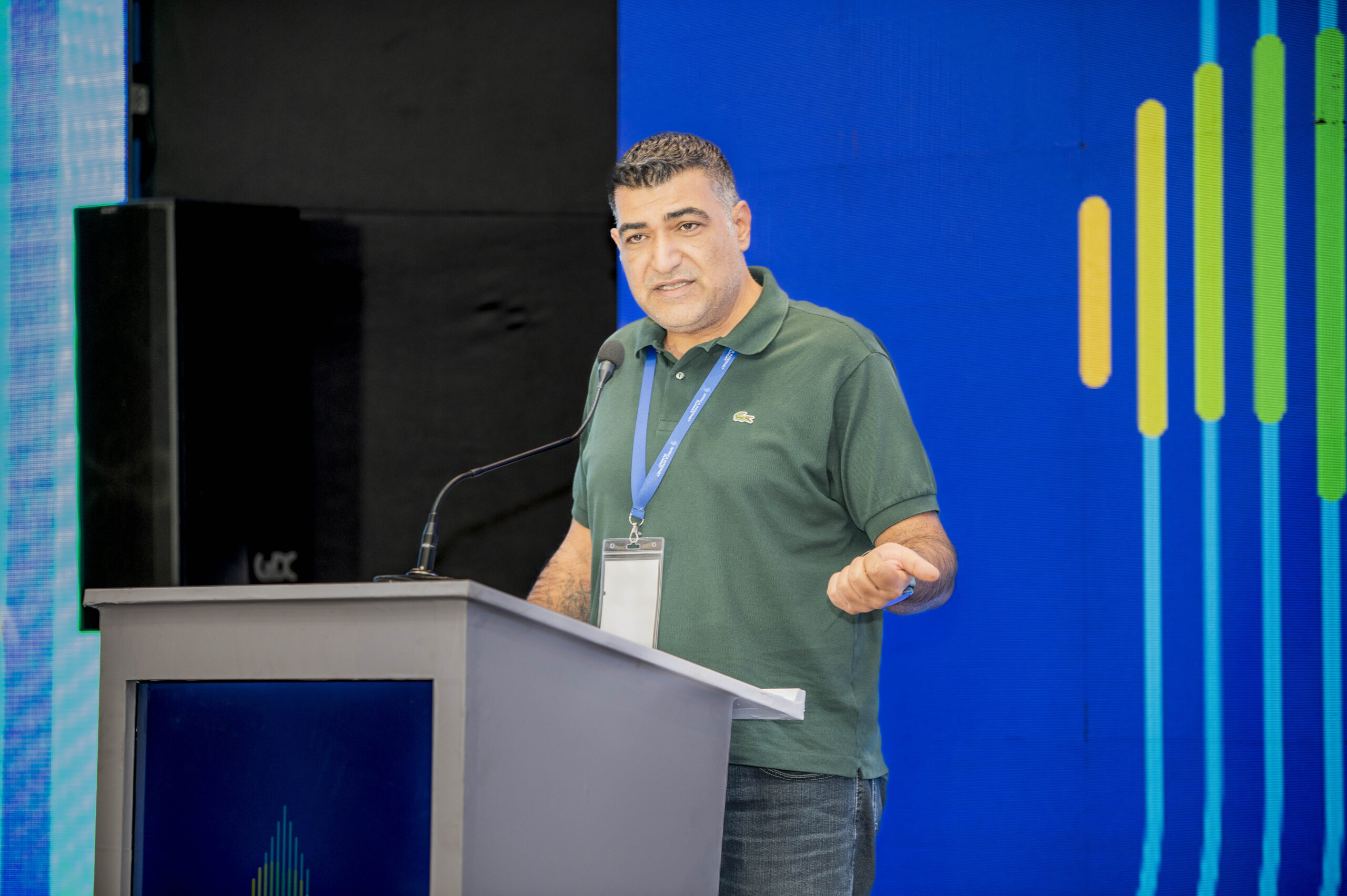
At AIS’26 in Nairobi, I had the opportunity to contribute to the panel on NETmundial+10, WSIS+20, and implementation. My intervention was based on a simple distinction.
These global Internet governance processes matter. WSIS, NETmundial, and the Global Digital Compact provide principles, language, legitimacy, and spaces for cooperation. They help protect the open, interoperable, and globally connected Internet.
However, users do not consume principles, users consume services.
People experience the Internet through affordability, reliability, resilience, quality, access, security, and opportunity. Therefore, the next phase of Internet governance should be judged less by how well we organize participation and more by whether participation produces influence and outcomes.
The harder questions are now unavoidable.
Did capabilities increase?
Did dependencies decrease?
Did resilience improve?
Did more influence reach developing regions?
Did more digital value remain within local economies?
For Africa, this means we must speak about digital sovereignty with precision. Sovereignty is not simply regulation. Sovereignty is capability!
Can we build networks? Can we sustain infrastructure? Can we train and retain talent? Can we localize traffic and content? Can we operate secure and resilient systems? Can we reduce dependency while remaining globally connected?
Those are the outcomes that matter.
Participation remains essential, but participation is not the destination. Outcomes are the destination.
Question 1 Do these processes matter?
Yes, they matter, and they matter differently because they create legitimacy, principles, and frameworks within which those things can happen.
WSIS, NETmundial, and more recently the Global Digital Compact provide important principles, common language, and legitimacy for cooperation. They help avoid fragmentation and they preserve the openness and interoperability upon which the Internet depends.
However, users do not consume principles, users consume services.
Ultimately, people experience the Internet through affordability, reliability, resilience, quality, and access. Therefore the success of these global processes should increasingly be judged by whether they translate into practical outcomes for Internet users.
Question 2 What needs to change?
For twenty years we have become increasingly sophisticated at organizing participation. I believe the next phase should focus less on measuring activities and more on measuring influence of participation and activities, and measuring outcomes.
I think we are entitled to ask a more mature question: what these principles have actually changed? To date, it was about building mechanisms for participation. I believe the next years should be about influence and demonstrating outcomes.
Now we should ask more difficult questions.
- Did capabilities increase?
- Did dependencies decrease?
- Did resilience improve?
- Did more influence reach developing regions?
- Did more digital value remain within local economies?
Because participation is important, but participation itself is not the destination. Participation is the means, Outcomes are the destination.
Question 3 What does this mean for Africa?
From an operator’s perspective, I think we should increasingly focus on capability.
Digital sovereignty should not be confused with regulation. Sovereignty is capability.
- Can we build networks?
- Can we sustain infrastructure?
- Can we train and retain talent?
- Can we develop local content and local cloud ecosystems?
- Can we retain more digital value within our economies?
- Can we reduce dependencies?
Those are the questions that ultimately matter to Internet users, Because users do not experience governance processes, They experience the outcomes of those processes.
#AIS26 hashtag#InternetGovernance hashtag#WSIS20 hashtag#NETmundial hashtag#GlobalDigitalCompact hashtag#DigitalSovereignty hashtag#AfricaInternet hashtag#InternetInfrastructure hashtag#Policy hashtag#Resilience hashtag#AfricaTech MegaMore Broadband hashtag#MegaMore
Leave a Reply